From traditional wicker baskets to modern technological cabins
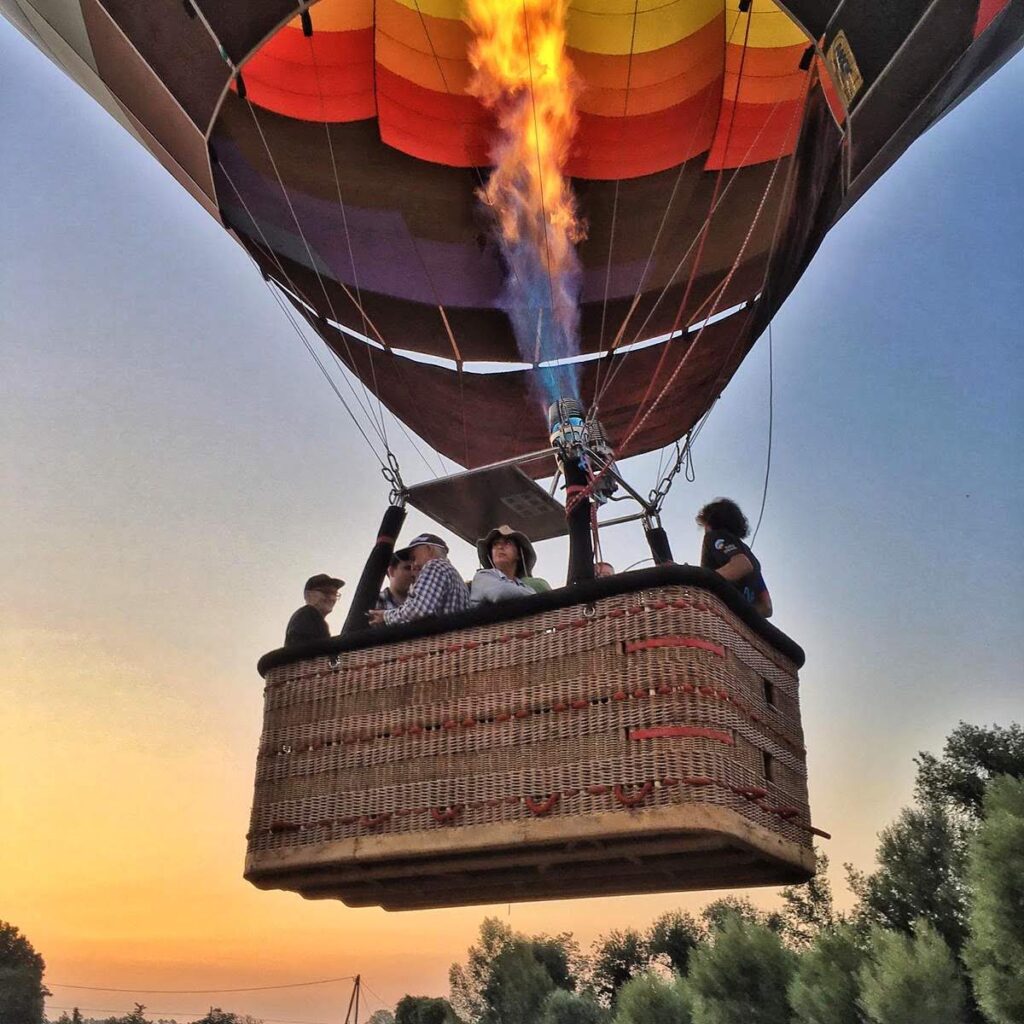
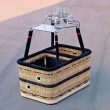
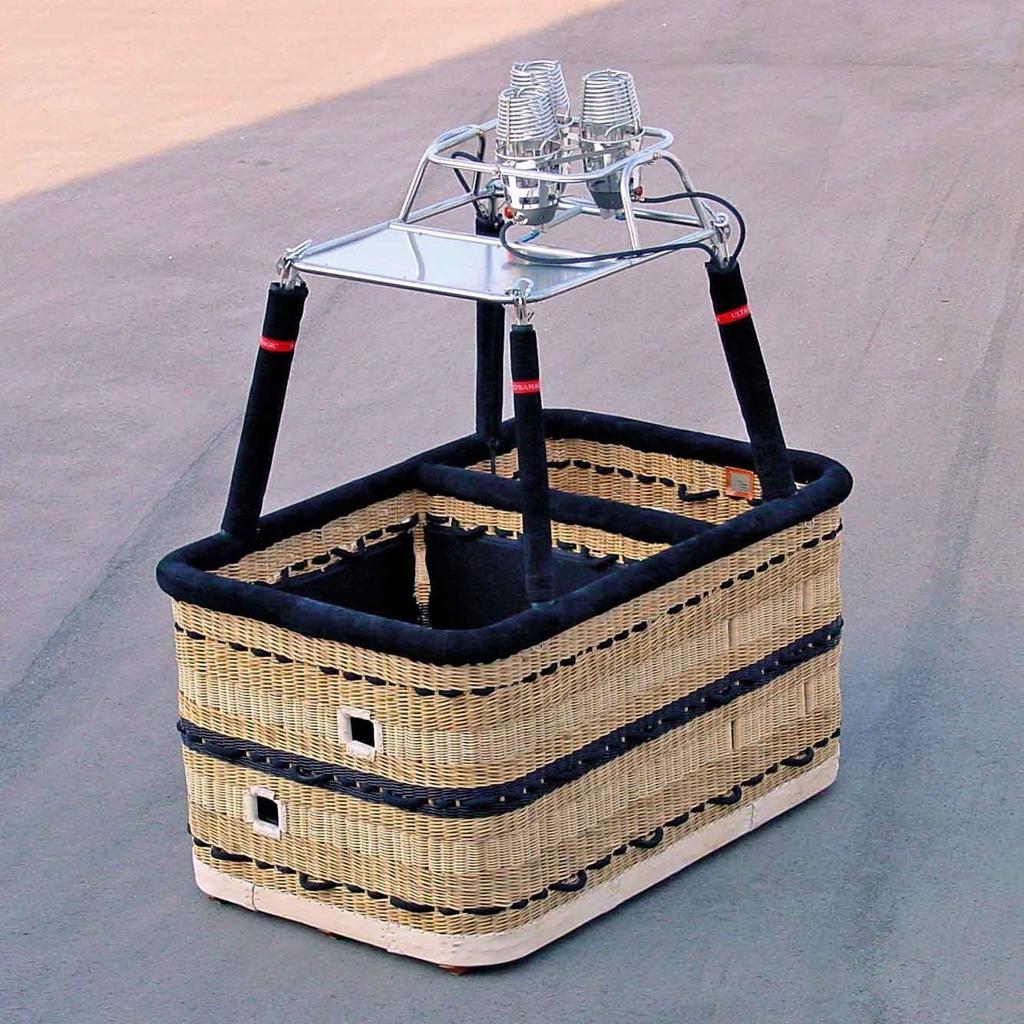
The nacelles of hot air balloons are the part where the passengers and the pilot travel. Traditionally, they have been made of wicker because of its lightness, flexibility and ability to absorb impacts on landing. This natural material also facilitates repairs and offers some strength without adding too much weight.
Over time, baskets have evolved to meet new needs for safety, capacity and comfort. Today, in addition to wicker, aluminum or steel reinforced structures, separate passenger compartments, and more secure anchoring systems are incorporated. In specialized balloons, such as those for research or long-distance flights, even enclosed cabins with advanced instrumentation can be found.
This evolution reflects how tradition and innovation combine to enhance the flight experience without losing the essence of the first hot air balloons.