Context and objective
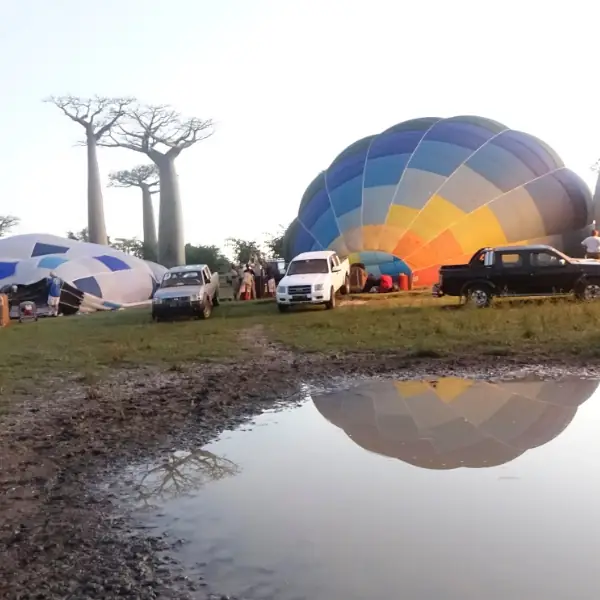
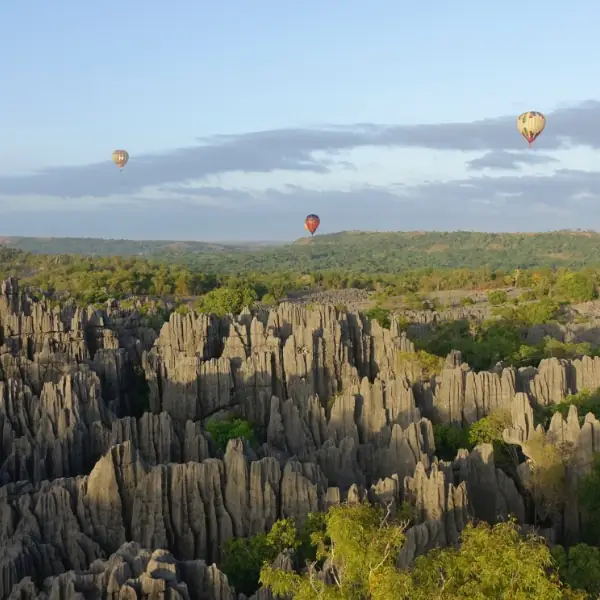
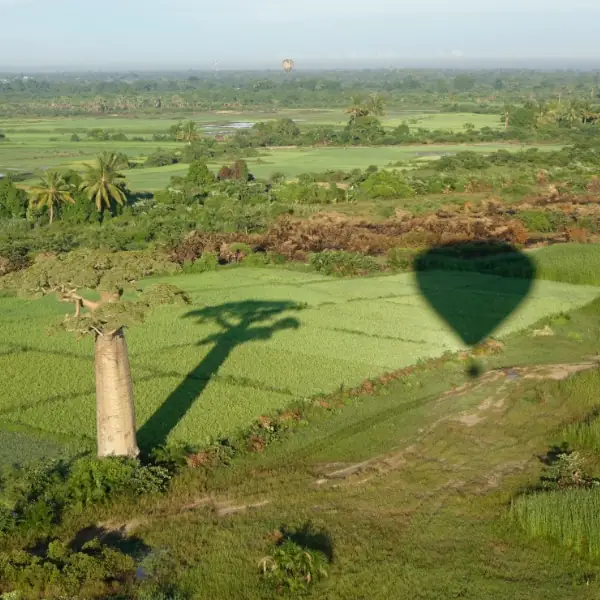
Participating in the expedition to Madagascar was an opportunity to take hot air ballooning to a completely different environment than usual. The goal was to explore some of the island’s most unique landscapes from the air: open savannas, baobab groves, high plateaus, and areas of virtually untouched nature.
Beyond the scenic component, the expedition posed a significant technical and logistical challenge.
Operational challenges and planning
Flying in Madagascar meant adapting to variable weather conditions and limited infrastructure. Logistics was a key element, especially regarding the transport of supplies, fuel, and support equipment in remote areas.
Prior planning required:
- Detailed study of local winds
- Constant coordination with the ground support team
- Efficient material management in a resource-constrained environment
- Ability to adapt to operational changes on the ground
In these types of expeditions, preparation and prudence are crucial.
Flight development
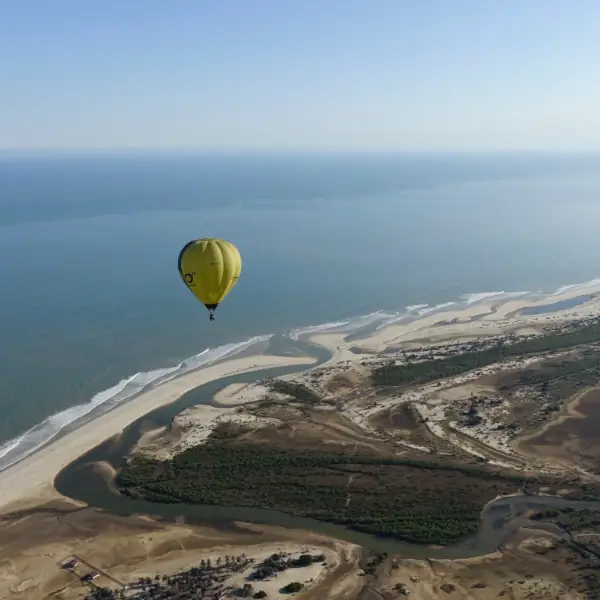
During the expedition, we made several flights in unusual locations for hot air balloons. The diverse Malagasy landscape offered changing conditions that required constant monitoring of the weather and surroundings.
The experience demonstrated the versatility of the balloon in remote environments and the importance of technical coordination to ensure safe operations.
What this expedition gave me
Madagascar reinforced my ability to adapt to complex environments and the importance of detailed planning when working far from established infrastructure.
The experience gained in these types of international scenarios is part of the continuous learning that I then apply in each flight carried out in the Empordà, always with safety as a priority.