Context and objective
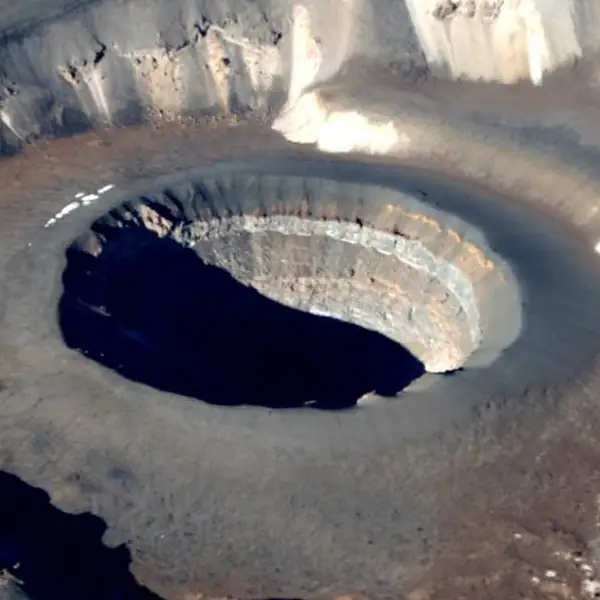
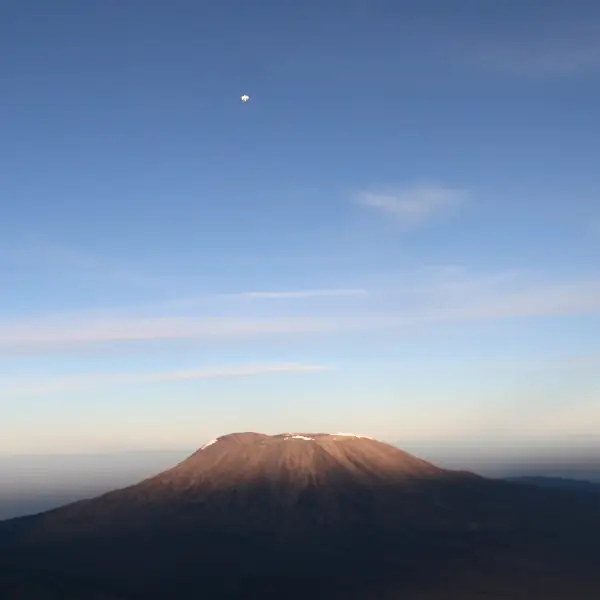
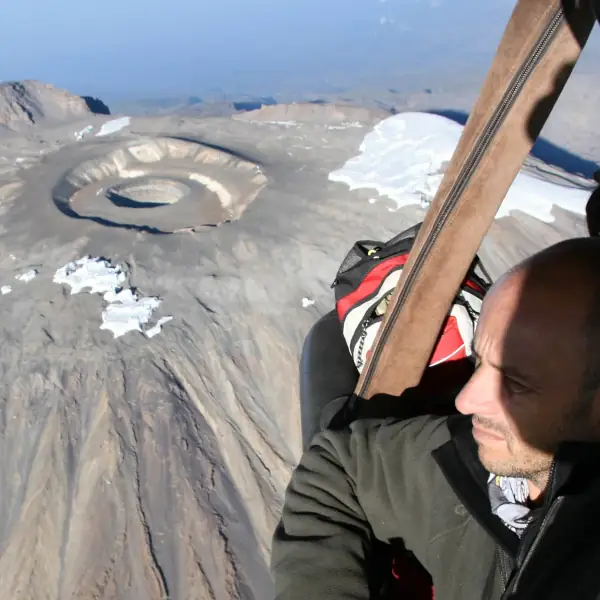
Participating in the Kilimanjaro expedition was one of the most demanding technical challenges I’ve faced in hot air ballooning. The goal was to complete an aerial crossing over the Kilimanjaro massif, Africa’s highest peak, at 5,895 meters.
It wasn’t just about flying in a spectacular environment, but about facing the conditions of the high mountains: changing weather, lower air density and extremely precise planning.
Technical challenges
Flying in high mountains forces a rethinking of many usual operational aspects.
This expedition was fundamental in:
- Analyze the winds at height in detail
- Precisely adjust fuel calculations
- Adapting systems to cold conditions
- Plan the ascent gradually to safely overcome the mountain range
Every decision had to be supported by reliable meteorological data and a constant assessment of the environment.
The journey
The crossing of Kilimanjaro was a technically and humanly intense experience. Operating in this type of environment demands concentration, coordination, and adaptability.
The combination of altitude, logistical complexity, and variable conditions makes this type of flight a very different challenge from the usual tourist flight.
What this expedition gave me
Being part of this expedition reinforced my conviction that technical preparation and prudence are the basis of any safe flight.
The experience gained in high mountain environments then translates into greater operational judgment, better planning, and a broader view of the behavior of the globe under diverse conditions.
That experience is what I subsequently apply to every flight I make in the Empordà.