Context and objective
The Turpial – Sahara Expedition aimed to fly over large desert areas, taking hot air ballooning to an extreme environment where endurance, navigation, and logistical coordination are crucial.
The spirit of the Turpial saga has always been to explore new environments and take on technical challenges in the heart of nature. The desert represented precisely that: freedom of flight, an open landscape, and demanding conditions.
Technical challenges and planning
Flying in the Sahara involves facing very different factors than usual:
- Large temperature variations between day and night
- Changing winds
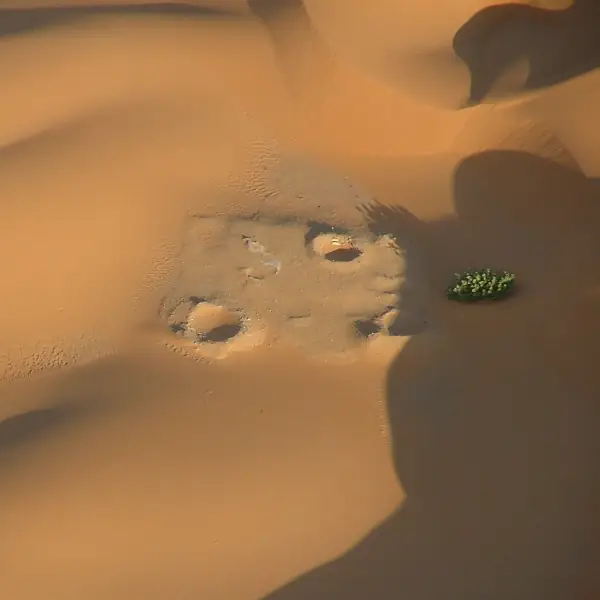
- Scarcity of visual landmarks
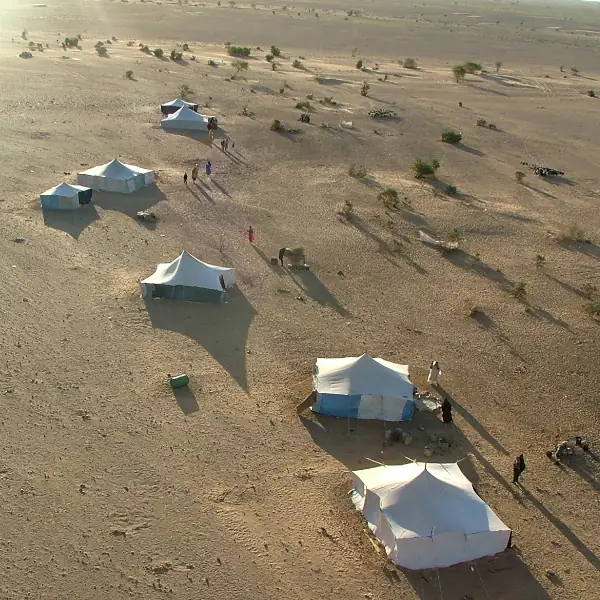
- Long distances without infrastructure
The planning had to be extremely precise. Each flight required constant coordination with the ground team and continuous assessment of the environment.
Logistics and expedition development
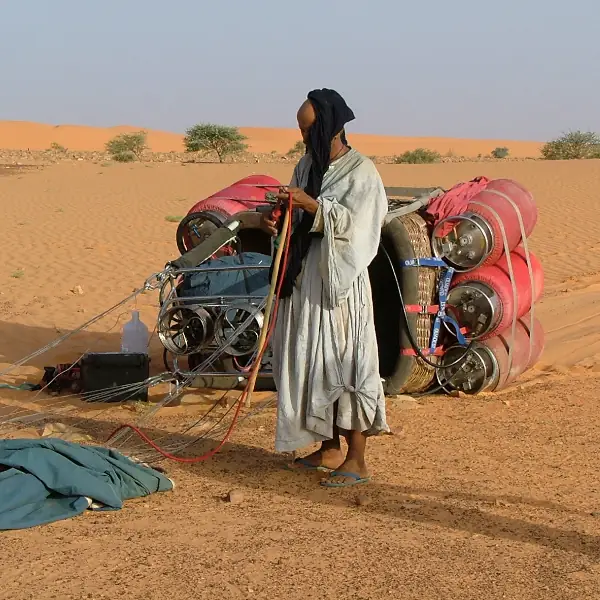
The expedition was supported by 4×4 vehicles for ground tracking, permanent communication systems, and logistics adapted to long distances in areas without infrastructure.
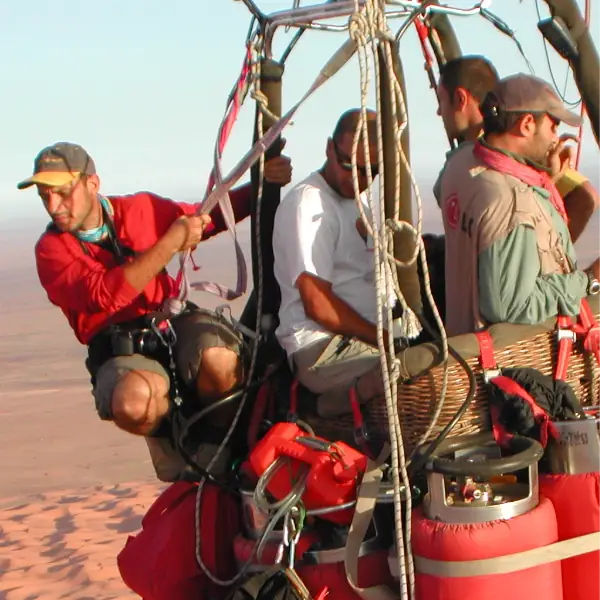
Coordination between the air team and the ground team was key to ensuring safe and efficient operations in an environment where any unforeseen event can be amplified.
What this expedition gave me
Flying in the desert allowed me to delve deeper into navigation without clear references and decision making in changing conditions.
The experience in the Sahara reinforces the importance of preparation, prudence and teamwork, values that are part of my understanding of flying and that I apply in every operation.