Context and objective
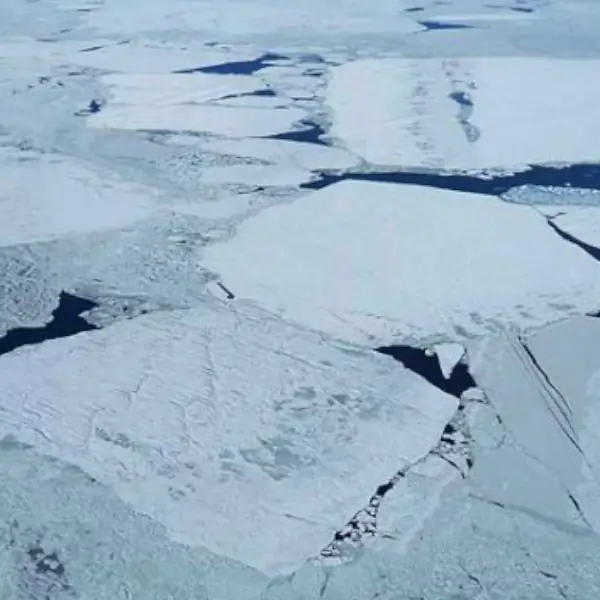
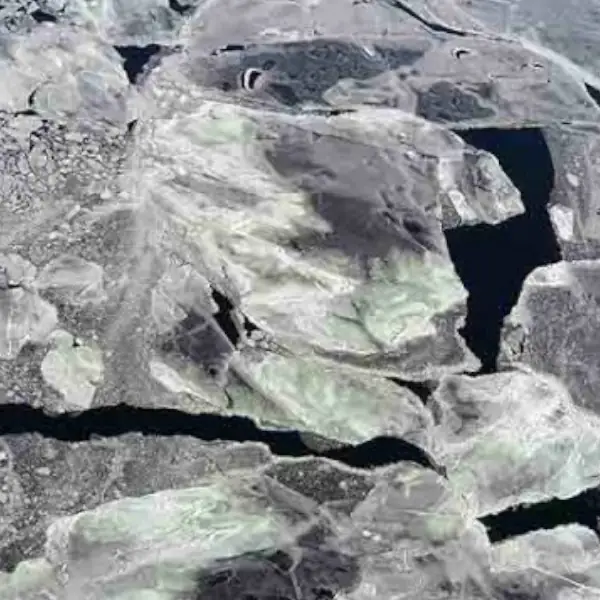
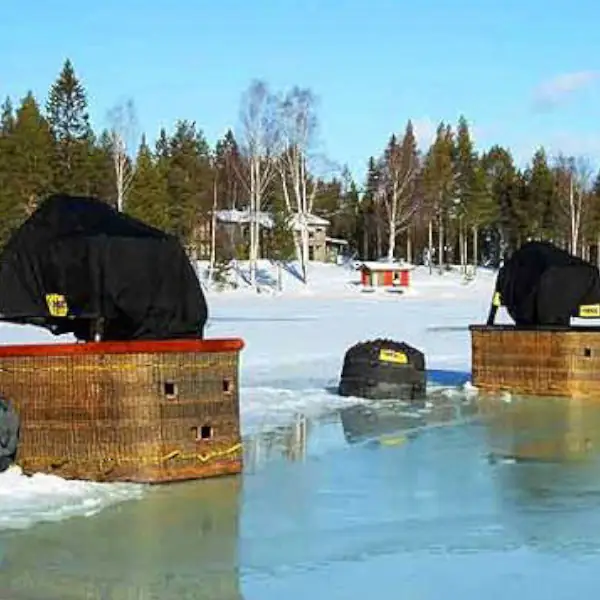
The Turpial Expedition – Baltic Sea aimed to carry out a hot air balloon crossing over the Baltic Sea, taking on the challenge of flying over a vast surface of water.
Flying over the sea presents a very different challenge than flying on land. The absence of terrestrial landmarks, the variability of weather conditions, and the need for precise coordination with support teams mean that this type of expedition requires particularly rigorous planning.
Technical challenges and planning
In this journey, it was essential to work with special attention on:
- Precise analysis of prevailing winds
- Detailed study of meteorological evolution
- Strengthening of security systems
- Constant coordination with vessels and support teams
The margin for error regarding water is small, so every decision must be made with prudence and anticipation.
Development of the journey
The expedition maintained the exploratory spirit characteristic of the Turpial saga: opening new air routes and taking ballooning to unusual environments.
Flying over the sea demands concentration, experience, and adaptability. Coordination with the support team and constant assessment of the surroundings were key to completing the crossing safely.
What this expedition gave me
The experience over the Baltic Sea reinforced my understanding of the behavior of the globe in the absence of terrestrial references and in changing weather conditions.
These types of expeditions provide a different technical perspective and strengthen planning, prudence and decision-making skills, essential qualities in any air operation.